


About
Field Research Coaching was founded to address a critical gap in how people are prepared for work in complex field settings. While academic and professional training often focuses on methods, outputs, and impact, it rarely equips researchers and practitioners for the emotional, ethical, and unpredictable realities they encounter on the ground. As a result, universities, international organizations, and NGOs are increasingly confronted with burnout, secondary trauma, and professionals struggling in silence.
Field Research Coaching offers personalized training and coaching for researchers and professionals working on sensitive topics or in challenging and high-risk environments. Through practical tools, ethical reflection, and attention to mental well-being, the aim is to support sustainable, responsible, and humane engagement, before, during, and after fieldwork or field-based assignments.
Ellen Van Damme, PhD, founded Field Research Coaching in 2023. She has over ten years of field research and consultancy experience across Africa, Europe, and North and South America. Ellen is a criminologist who has worked with academic institutions as well as international organizations, including the United Nations Development Programme (UNDP). She is also the co-founder of the Fieldwork Buddy Network, a peer-support initiative for people working in demanding field contexts.

Ellen is a regular speaker at international conferences, workshops, and seminars, where she addresses the practical, ethical, and emotional dimensions of field-based work. Her work has been published in academic journals, book chapters, blogs, and podcasts, focusing on the realities of conducting research and professional interventions in complex environments.
With roots in academia, consulting, and extensive field experience, Ellen brings a holistic and grounded approach to her coaching. She integrates a mindfulness-informed lens, drawing on her practice as a yoga teacher and Mental Health First Aider, to support individuals in building resilience, ethical clarity, and long-term sustainability in their work.
1:1 Coaching
My 1:1 coaching sessions are for researchers and professionals who work in sensitive, high-risk, or emotionally demanding contexts, and who want to do so in a way that is ethical, sustainable, and humane.
In our sessions, we create a confidential and reflective space to think through the emotional, ethical, and practical challenges that come with your work. Together, we explore how your research or professional role is affecting you, identify pressure points and boundaries, and develop strategies that help you stay grounded and well while remaining deeply engaged.
Coaching is tailored to your context and needs. You may come with questions about fieldwork preparation, managing emotional load, navigating ethical dilemmas, or finding balance during or after intense periods of work. The goal is not to make your work easier, but to make it more sustainable, so you can continue doing meaningful work without losing yourself in the process.
Ready to start?
“One of the most important qualities in a good researcher is perseverance, even when the journey is difficult.” – Marie Curie
Workshops
I offer in-person and online workshops tailored to equip researchers and professionals for the challenges of fieldwork. Whether you’re preparing to venture into the field, navigating its complexities, or reflecting on your experiences, the workshops provide practical tools, ethical insights, and strategies for resilience. Small group settings ensure a personalized approach, fostering meaningful engagement and collaboration. Explore all upcoming workshops below or contact me to discuss your specific needs.
Upcoming Workshops:
Wellbeing in the Field: Navigating Emotional, Ethical, and Practical Challenges in Criminological Fieldwork
Criminological fieldwork often involves sustained engagement with sensitive topics such as violence, incarceration, victimization, and institutional harm. While these research contexts generate critical knowledge, they can also place a significant emotional and psychological burden on researchers and research teams. Prolonged exposure to trauma, moral distress, and institutional constraints can take a serious toll on those conducting the research itself. Yet, despite the concept of ‘do no harm’ extending to the researcher, researcher’s wellbeing remains overlooked in formal methodological training. This interactive workshop is designed for researchers at all career stages who conduct qualitative, mixed-methods, or ethnographic fieldwork in challenging contexts. Rather than offering a prescriptive methodology, the workshop creates a structured space to reflect on the human dimensions of field research.
Participants will explore how positionality, prior experiences, and emotional responses shape research encounters, ethical decision-making, and data interpretation. Through guided reflection, small-group discussions, and practical exercises, the workshop addresses common but rarely discussed challenges such as emotional overload, boundary-setting, secondary trauma, vicarious trauma, and navigating uncertainty in the field. Grounded in criminological research and empirical fieldwork experiences, this workshop equips participants with practical tools to prepare for, cope with, and reflect on emotionally demanding research environments. By centering researcher wellbeing as an ethical and methodological concern, the workshop aims to support more sustainable, reflexive, and resilient fieldwork practices, recognizing that caring for researchers is integral to producing rigorous and responsible criminological knowledge.
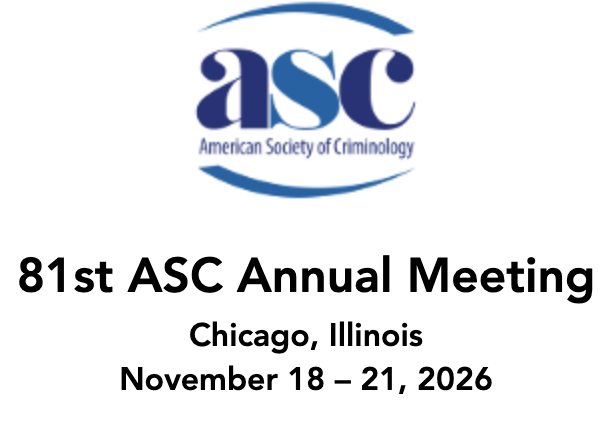
Date: Tuesday November 17, 2026
Time: TBC
Location: Chicago, Illinois, USA
Navigating Academic Work with Clarity, Confidence, and Sustainable Collaboration
Academic work is intellectually demanding, but it also involves significant mental and emotional labor that often remains invisible, including managing feedback, navigating expectations, negotiating roles, and continuously adapting to changing demands. Teaching assistants, PhD researchers, and professors are expected to perform at a high level while balancing these cognitive and relational pressures, often without explicit guidance. This interactive workshop offers a practical space to reflect on how we work together in academic settings and how communication, feedback, and expectations shape both performance and long-term engagement. Participants will explore common challenges such as giving and receiving feedback, collaborating across hierarchical roles, setting and recognizing personal and professional boundaries, and managing expectations in supervisory and research relationships. Through guided reflections and discussions, participants will gain insight into their own working patterns and the hidden mental load of academic work. The workshop emphasizes developing resilience not as individual toughness, but as the ability to work with clarity, self-awareness, and adaptability within complex academic environments. By the end of the day, participants will have practical strategies to navigate academic relationships more confidently, communicate more effectively, and engage in their work in ways that are both productive and sustainable over time.
Date: Wednesday July 1, 2026
Time: TBC
Location: Brussels, Belgium

Interested in joining the next workshop?
If the scheduled workshop dates don’t work for you, or if your department, research group or organization is seeking a customized workshop or training, feel free to reach out! I’m happy to discuss your needs and explore other options to support your field research journey.
Not sure if Field Research Coaching is for you? Hear it from our alumni:
“Ellen struck a really good balance between theory and exercises. It was great to immediately put new ideas into practice, and the exercises have already proven valuable during my fieldwork.”
– James
“The workshop allowed me to trust myself more, to be able to see that my concerns are ‘universal’, to unwind, and to delve into my reasons behind my fieldwork and job.”
– Emilia
Past Workshops:
Researcher Well-Being: Practices for physical & mental safety in the field

Mindful to the Field-A Workshop for Researchers Who Want to Navigate Fieldwork with Clarity & Resilience
Are you preparing to navigate the complexities of field research? Whether you’re a first-time researcher, a seasoned academic, or a practitioner, this workshop is designed to equip you with the tools and strategies to approach sensitive topics, manage unforeseen challenges, and maintaining your well-being during intense fieldwork. Universities and other research institutes are increasingly confronted with burned-out and traumatized researchers. Receiving the right training will help to navigate these challenges.
This workshop is not another traditional lecture where you passively absorb information, or a rigid methodology class that tells you how research should be done. This workshop is an interactive, research-informed experience where you will: engage in guided self-reflection and group discussions, explore how your personal experiences shape your research, and create practical tools to sustain yourself in the field. Through this workshop, you’ll become a more confident, self-aware, and resilient researcher. Someone who understands that fieldwork isn’t just about collecting data, but about navigating the human experience of research with integrity and self-trust. Gain practical skills, ethical insights, and strategies to enhance your fieldwork while prioritizing your well-being.

High-Risk Research in the Americas: A Practical Preparation for Challenging Fieldwork

Colloquium – Researching Sensitive Topics: Why do we need the “Fieldwork Buddy Network”?

Techniques, methodologies and theory surrounding researching sensitive topics have become a crucial conversation for researchers in the modern age. Often the participants may be from marginalised groups who are underrepresented within society; special care must be taken to ensure their interests are protected within the research, whilst co-producing new knowledge and scholarship. Researcher wellbeing is increasingly recognised as a concern when research is undertaken on sensitive or traumatic topics, including those relating to the researcher’s lived experience. Ensuring both the participants and researchers are safe and acting ethically within the study is paramount. This colloquium aims to bring together a collective of researchers interested in researching sensitive topics to share best practice, experiences and understanding of what it means to ‘research sensitive topics.’
At this colloquium, Michelle Storrod and I will talk about why we need the Fieldwork Buddy Network.
Community Well-Being Session: A Mindful Start of the New Academic Year
Summer is over, the new academic year has kicked off and our agendas are already fully booked until the end of the year. But did we schedule enough time for ourselves to maintain our well-being?
In this community well-being session, I draw on my expertise as a yoga teacher and mental health first aider to guide you through practices that help foster a mindful start of the new academic year.
This session is free and open to everyone. No need to prepare anything or perform in a certain way. You come as you are.

Workshop – Sensitive & Traumatic Research Network

The Sensitive & Traumatic Research Network, established by Jennifer Rainbow and Hannah Gilman, is a network for academics of any discipline, who are undertaking or have previously undertaken emotionally challenging research.
During this workshop, I will guide participants to reflect critically on their position as a researcher and how they can take care of their well-being while doing research on sensitive topics.
Mindful to the Field: A Workshop for Researchers Who Want to Navigate Fieldwork with Clarity, Resilience, and Support

Are you preparing to navigate the complexities of field research? Whether you’re a first-time researcher, a seasoned academic, or a practitioner, this workshop is designed to equip you with the tools and strategies to approach sensitive topics, manage unforeseen challenges, and maintaining your well-being during intense fieldwork.
This workshop is an interactive, research-informed experience where you will: engage in guided self-reflection and group discussions, explore how your personal experiences shape your research, and create practical tools to sustain yourself in the field. Through this workshop, you’ll become a more confident, self-aware, and resilient researcher. Someone who understands that fieldwork isn’t just about collecting data, but about navigating the human experience of research with integrity and self-trust. Gain practical skills, ethical insights, and strategies to enhance your fieldwork while prioritizing your mental well-being.
Building Effective Alliances: Networking & Partnerships

High-Risk Research in the Americas: A Practical Preparation for Challenging Fieldwork

Community Well-Being Session: Staying Mindful in Turbulent Times
The end of the semester is approaching, papers need to be graded, articles revised, and research grants submitted. On top of running behind the usual train of academic performance, the past months have thrown even more challenging questions on our path: Should I switch positions? Do I need to relocate? Will my department be able to continue its work? What is the fate of our students?
It is hard to see a light at the end of the tunnel when all of a sudden every new issue seems more concerning than the previous one and in need of our immediate attention. Consequently, taking care of our mental health gets pushed to the bottom of our to-do list. In this community well-being session, I draw on my expertise as a yoga teacher and mental health first aider to guide you through practices that help to stay mindful in turbulent times.
Building Strategic Alliances: Effective Networking and Partnerships

This workshop was oriented towards students and professionals in academia and international relations, who are passionate about policy making, social development, and global partnerships, and who focus on contributing to the United Nations’ sustainable development goals but not know where to start or how to pivot their career. We discussed practical tips and strategies for building an international professional network and how to kickstart an international career.
You can rewatch the full workshop online via the @iycforyouth YouTube channel: https://www.youtube.com/watch?v=Tb0AHUr1POY
Mindful to the Field: A Practical Preparation for Challenging Field Research
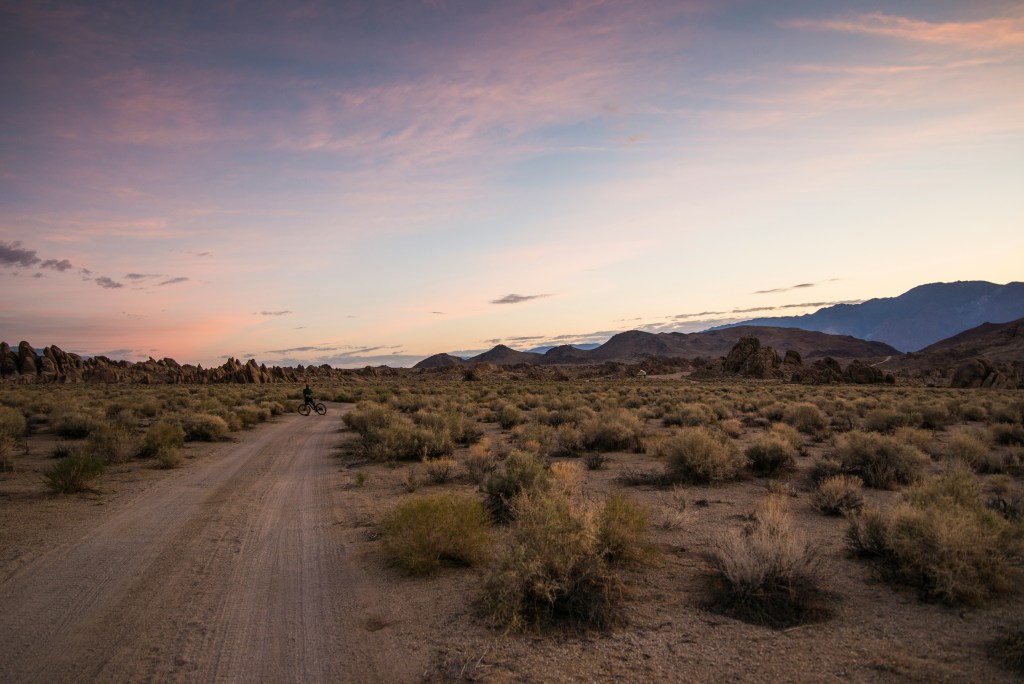
This workshop is designed to equip researchers and practitioners with the tools and strategies to approach sensitive topics, manage unforeseen challenges, and maintaining their well-being during intense fieldwork. The participants engaged in guided self-reflection and group discussions, exploring how personal experiences shape your research, and creating practical tools to sustain yourself in the field.
Through this workshop, you’ll become a more confident, self-aware, and resilient researcher. Someone who understands that fieldwork isn’t just about collecting data, but about navigating the human experience of research with integrity and self-trust.
“Caring for myself is not self-indulgence, it is self-preservation, and that is an act of political warfare.” – Audre Lorde
Join the Fieldwork Buddy Network!

Whether you’re just starting out or have years of experience, this network is for anyone conducting field research. We created the Fieldwork Buddy Network as a space to connect, ask questions, share experiences, and, most importantly, ensure no one feels alone in the field.
Let’s buddy up!
Sign up to the newsletter below to be invited to our monthly meetings.